Donate NowJoin Us on FacebookShare

Counting redwood rings
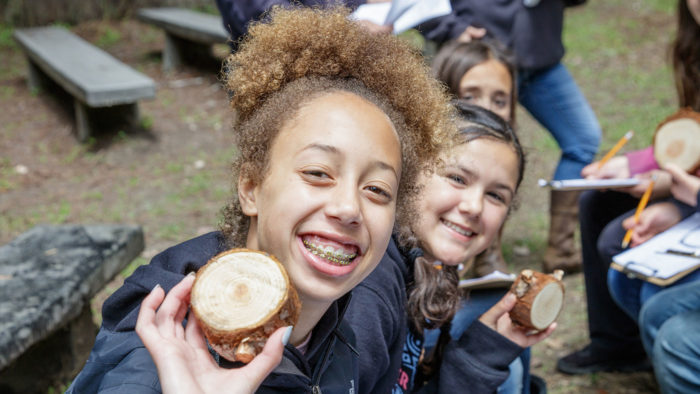
Students counting redwood rings

Education Grants Resources

Education Grant Funding Information

Background

Firsthand visits to a redwood park, particularly as children during family visits, have traditionally nurtured support for redwood forest conservation. Current trends in changing population demographics within the state and nation, as well as shifting lifestyle and cultural preferences, are decreasing general public exposure to the outdoors, including the redwood forest.

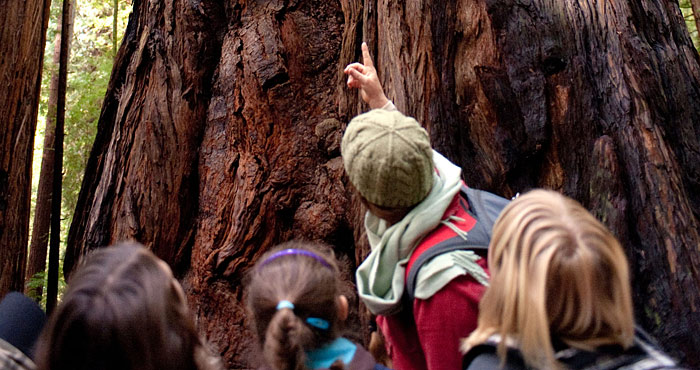
Save the Redwoods League believes that if people experience the majesty and ecological complexity of the redwoods, they will be inspired to support the protection of the redwood forest. These experiences may also nurture a greater conservation ethic in other areas of their lives.

Mission

The Education Grants Program was established in 2000 to foster a deeper understanding of redwood forests through personal visits and educational experiences among a broad, diverse audience.

Goals

To achieve this mission, the Education Grants Program funds projects that:

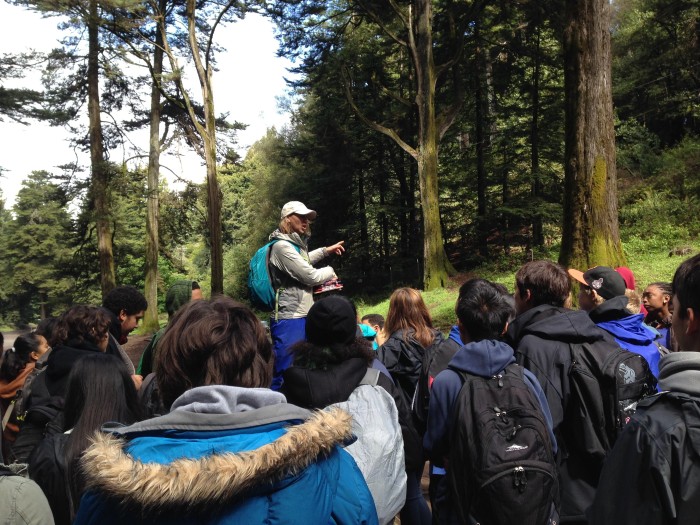
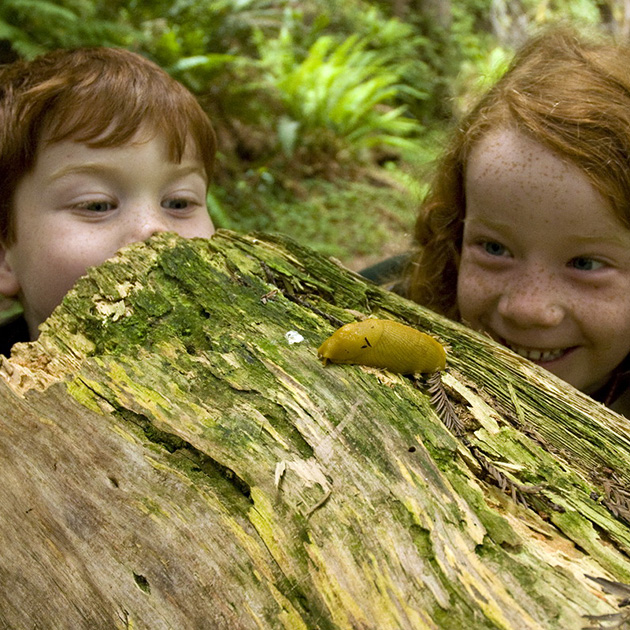
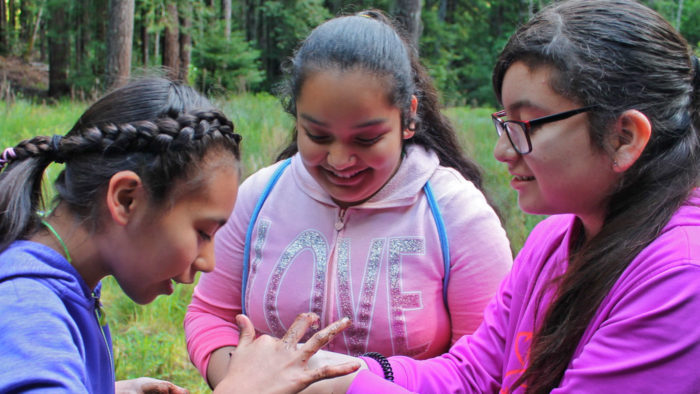
  • Provide engaging, firsthand experiences of redwood forests for children and/or adults using traditional (field trips, park interpretive programs, service projects) and nontraditional approaches (after-school programs, family programs, parenting workshops).
  • Connect more people of diverse backgrounds to the redwoods through culturally relevant projects and initiatives that reflect the changing demographics of the state and nation including, but not limited to:
    • Projects that connect rural redwood region communities with the forest resource in their backyards.
    • Projects that connect urban communities with local, regional, or distant redwoods.
  • Encourage classroom teachers to teach about redwoods as a topic and use the redwood forest as a laboratory to master state content standards through curriculum development or continuing education opportunities.
  • Foster the sharing of redwood resources (curricula, activities, trail kits) and/or the replication of redwood education programs with proven track records.
  • Strengthen existing redwood education programs through evaluation of methods and measurements of effectiveness.

For the purposes of the Save the Redwoods League Education Grants Program, redwood education topics include, but are not limited to, redwood forest characteristics, redwood ecology, associated watersheds, redwood forest-dependent species, and redwood forest stewardship. Participants may choose to focus their projects on the coast redwood, giant sequoia, or dawn redwood.

2010 Priorities

Because young people are the future protectors of the redwood forest, the League is particularly interested in projects that:

  • Are created, designed, and implemented by K-12 students (under the guidance of qualified personnel).
  • Use current or emerging technologies, including social media initiatives, to make the redwood forest even more accessible to today's youth.

By defining these priorities, we hope to generate interest in developing these types of projects; however, project alignment with either of these priorities is not required.

Funds Availability

Grant awards typically range from $500 - $3,000; exceptional projects may be awarded up to $5,000. Partial funding may be awarded. Larger proposals with matching funds are welcomed. Save the Redwoods League will not fund political advocacy, lobbying, or litigation of any kind, shortfalls in government agency budgets, administrative overhead, or indirect costs.

For More Information:

Questions? Please contact Susan Ingersoll, Education Program Manager, at Education@SaveTheRedwoods.org or (415) 362-2352.

Updated April 2010

For more than 90 years, Save the Redwoods League has been dedicated to protecting the ancient redwood forests so all generations can experience the inspiration and majesty of redwoods. In 1850, there were nearly 2 million acres of ancient coast redwood forests in California. Today, less than 5 percent remains and faces threats from unsustainable logging practices, poorly planned development and global climate change. Since its founding in 1918, the League has completed the purchase of more than 189,000 acres of land.